Column · @themoldapartmentbuildingguide
How to Handle Mold in Apartment Building: A Tenant's Guide
Understanding the Problem
Living with mold in an apartment building is more than an eyesore. It can affect your health, your belongings, and your peace of mind. I have seen this firsthand while working on remediation projects across Boston and Massachusetts. The key is knowing what you are dealing with and taking the right steps.
Mold in apartment building settings often grows unnoticed behind walls, under sinks, or in damp corners. The most common types we find are Cladosporium, which appears as dark green or black spots on surfaces, and the more notorious Stachybotrys chartarum, sometimes called black mold. Both can trigger allergies and asthma, especially in children and older adults.
The first sign is usually a musty odor. If you smell it, mold is already active. You might also see discoloration on drywall or fiberboard. These materials are porous, so mold can penetrate deep inside. Simply wiping the surface with bleach will not fix the problem. In fact, bleach can sometimes make matters worse by drying out the surface while leaving the roots alive.
Why Mold Grows in Apartments
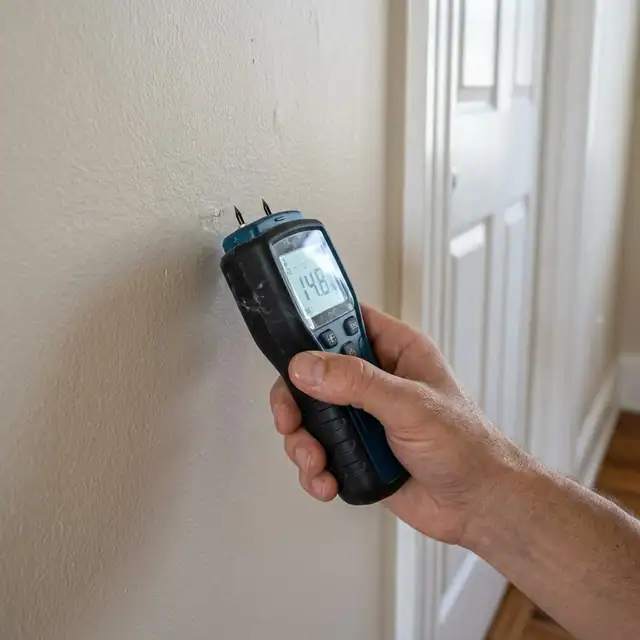
Mold needs moisture and a food source. Apartment buildings have plenty of both. Leaky pipes, poor ventilation, and condensation on windows create the damp conditions mold loves. The HVAC system, if not maintained, can spread spores throughout the building. I once worked on a case where a faulty air handler was blowing mold spores into every unit. The tenants kept getting sick, but no one connected it to the vents until a Mold Inspection revealed the source.
Another common culprit is the building envelope. Cracks in the foundation or gaps around windows let in water. Fiberboard and drywall act like sponges, wicking moisture upward. Over time, this creates a perfect environment for Stachybotrys chartarum to thrive. The CDC warns that prolonged exposure to this mold can cause respiratory issues, so early action matters.
What Tenants Can Do
If you suspect mold in apartment building, start by documenting everything. Take photos of the visible growth and note any musty odor. Then notify your landlord in writing. In Massachusetts, landlords are required to maintain a habitable living space, and mold can be considered a violation of that warranty. Keep a record of all communications.
While you wait for professional help, you can take steps to control moisture. Wipe down wet surfaces, use exhaust fans in the bathroom, and avoid blocking vents. A HEPA filter in your unit can capture airborne spores, but it will not stop the source. For small areas of surface mold on non-porous materials, a solution of hydrogen peroxide or white vinegar can be effective. But never mix these with bleach or other cleaners.
Avoid using epoxy paint to seal moldy surfaces. Mold can grow through the paint layer, and the chemicals can trap moisture underneath. Instead, focus on Moisture Control. Fix leaks promptly, reduce humidity below 50 percent, and ensure proper drainage around the building.
When to Call a Professional
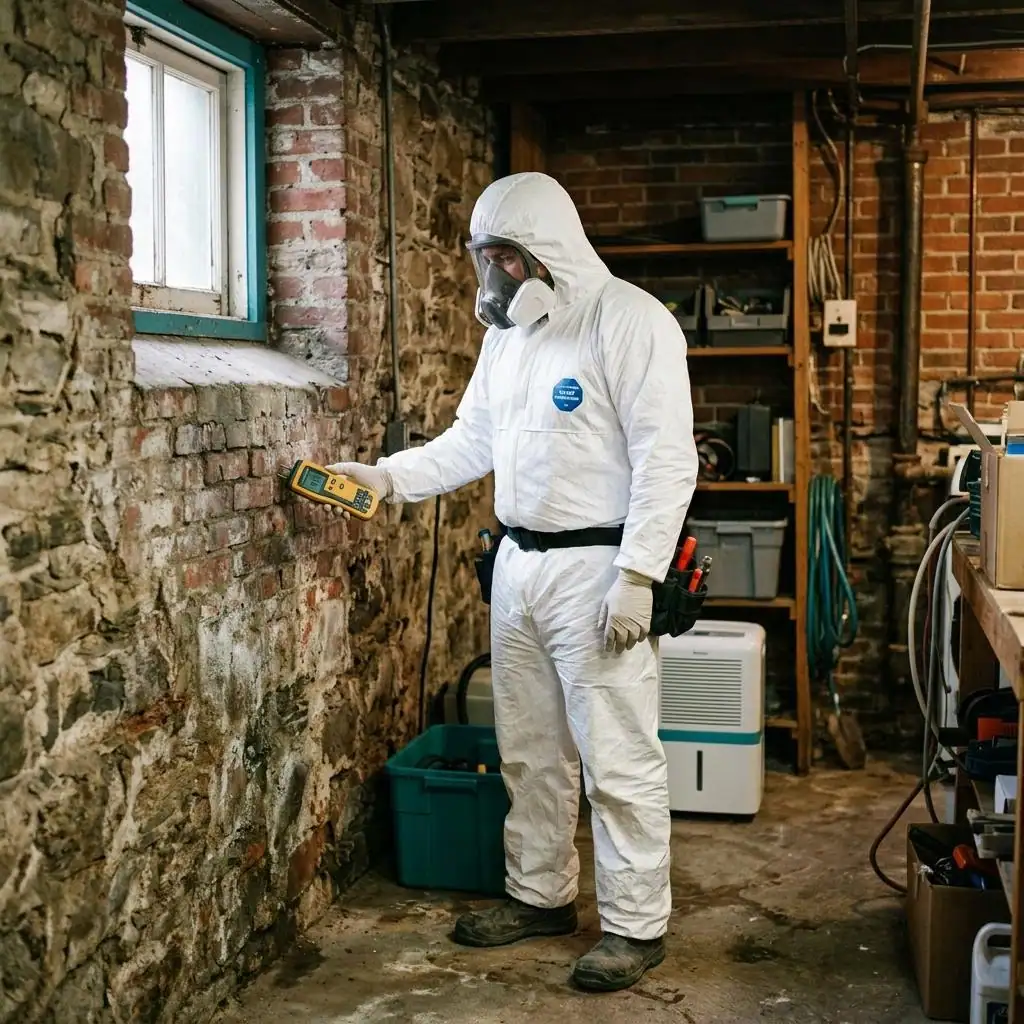
If the affected area is larger than a few square feet, or if the mold is behind walls or in the HVAC system, it is time to call a Mold Remediation specialist. Professionals follow EPA guidelines for containment and removal. They use negative air pressure, plastic sheeting, and HEPA vacuums to prevent spores from spreading. They also test the air after cleanup to confirm the Indoor Air Quality is safe.
I recall a job in a Boston brownstone where the tenants had been using bleach for months. The mold kept coming back. When we opened the wall, we found a slow leak inside the plumbing. The drywall was saturated, and the fiberboard behind it was completely black with Stachybotrys chartarum. The remediation took three days, but the air quality tests came back clean. The tenants could finally breathe without coughing.
Prevention is Better Than Cure
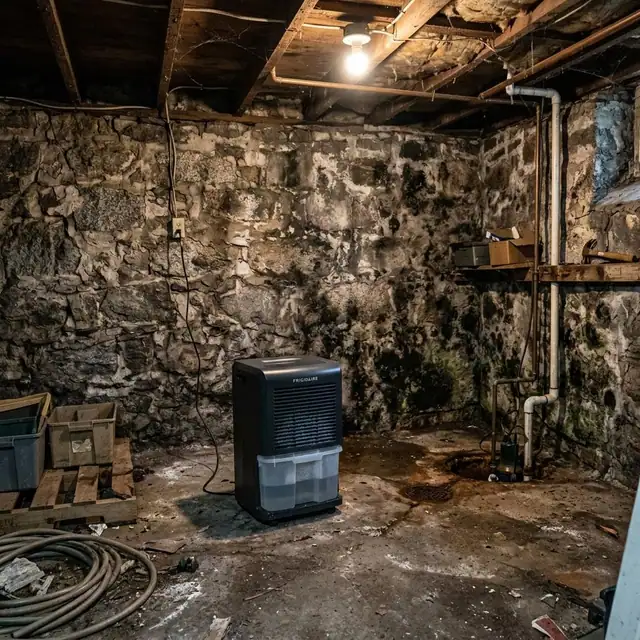
Landlords should schedule regular inspections of the building envelope, roof, and plumbing. A small leak today can become a major mold problem tomorrow. In apartment buildings, it is especially important to check common areas like laundry rooms, basements, and hallways. These spaces often have poor ventilation and hidden water sources.
For tenants, simple habits can help. Run the bathroom fan during and after showers. Do not leave wet towels on the floor. Report drips and condensation to maintenance right away. If you notice a musty odor, do not ignore it. That smell is the first sign of mold in apartment building spaces.
Some people think mold is harmless, like lichen on a tree. But lichen is a sign of clean air, while mold indoors is a sign of moisture and decay. The difference is location. Mold belongs outside, not inside your home.
The Role of Building Maintenance
Proper maintenance of the HVAC system is critical. Filters should be changed regularly, and ducts should be cleaned if there is any sign of microbial growth. A HEPA filter on the central system can help, but it is not a substitute for fixing the moisture problem. The EPA guidelines recommend keeping indoor humidity between 30 and 50 percent. A simple hygrometer can help you monitor this.
In older buildings, especially in Boston, the plumbing may be outdated. Old pipes can develop pinhole leaks that go unnoticed for months. Regular Mold Inspection by a professional can catch these issues early. The cost of inspection is small compared to the cost of remediation and potential health claims.
What About DIY Remedies?
I am often asked if bleach is the answer. It is not. Bleach is harsh, can damage surfaces, and does not kill mold on porous materials. Hydrogen peroxide is safer and more effective for small areas. But for any significant growth, professional help is needed. The goal is not just to kill the mold but to remove it and fix the moisture source.
There is also a myth that painting over mold with epoxy paint solves the problem. It does not. The mold will grow through the paint, and the chemicals can off-gas into your home. The only permanent solution is to remove the mold and correct the moisture issue.
Health and Legal Considerations
Mold exposure can worsen asthma, cause allergic reactions, and lead to sinus infections. The CDC advises that people with respiratory conditions should avoid areas with visible mold. If you or your family members are experiencing symptoms, see a doctor and report the issue to your landlord.
In Massachusetts, tenants have rights. If the landlord does not address the mold problem, you can contact the local board of health or file a complaint. The law requires landlords to provide a safe and habitable home. Mold in apartment building units that is not remedied can be considered a breach of that duty.
Final Thoughts
Dealing with mold in apartment building situations requires patience and persistence. But you do not have to live with it. By understanding what causes mold, taking immediate steps to control moisture, and knowing when to call a professional, you can protect your health and your home. Remember, mold is not just a cosmetic issue. It is a sign that something is wrong with the building. Fix the moisture, and the mold will not return.